

A baby sits down with blocks. He stacks one on top of another, then another, until the blocks eventually tumble down. He laughs and then starts building again. There's no specific end goal here, no grand prize to win. Everything is made up. This is called play.
Children who grow up without the safety to play carry those deficits into adulthood. They often struggle with aggression and the ability to regulate their behavior in response to frustration. Because play isn't some frivolous luxury. It’s how we learn to be with others and ourselves. And so it’s especially sad when we lose this ability as we grow older.
I've been thinking about this because the World Cup is happening right now. The Tour de France is happening. And everywhere I look, I see people who care deeply about games they didn't create and can't control. They are yelling from the stands. They are cheering with every goal. In a way, they are still remembering how to play.
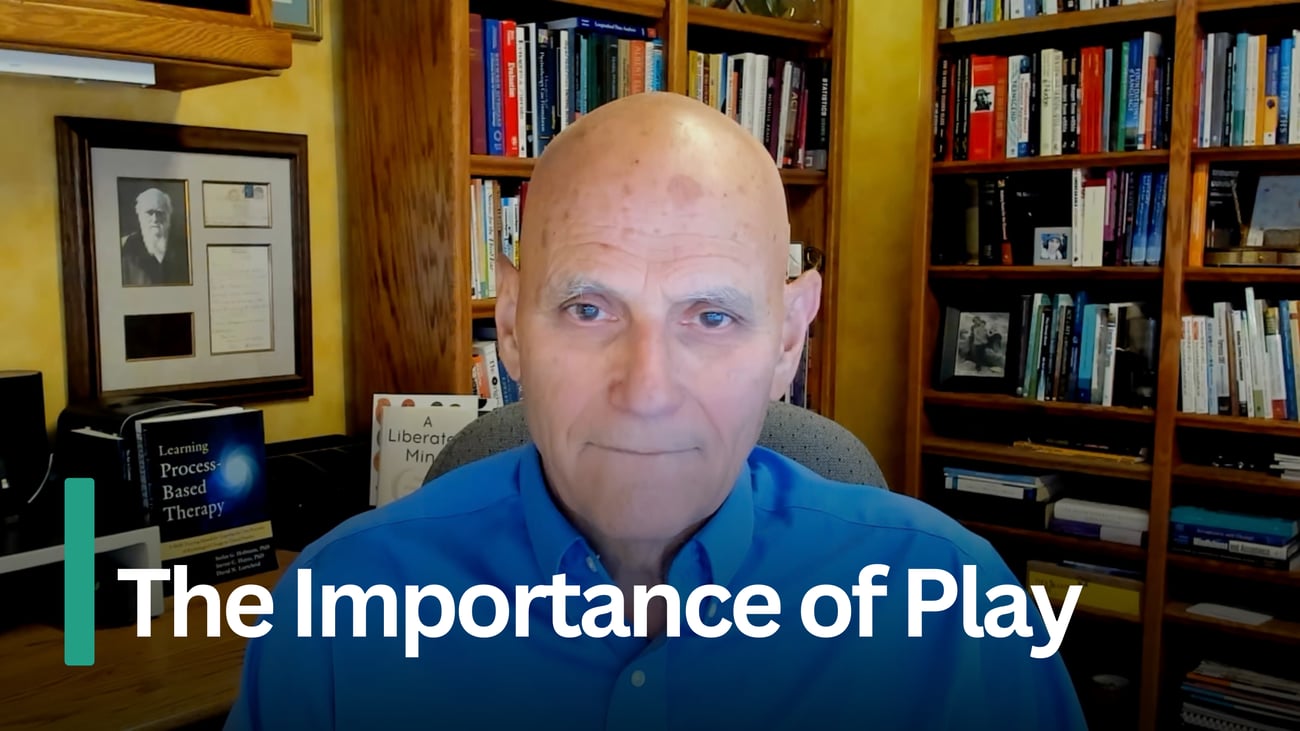
In today's episode of Days Are Getting Better, I want to talk about play, why it’s so important, and what it teaches us. I also want to talk about what happens when we lose the ability to play, and how we can bring it back into the things we take most seriously.
I've also written a blog article called "The Goal Gives Values a Body: or How to Be a World Class Fan" that explores how to bring your values into the stands (which you can read further below). And I've put together an action step that's designed to change how you watch sports in ways that actually connect you to your values (see below as well).
So without further ado, please click here to watch today’s episode of Days are Getting Better on the importance of play.
Peace, Love, and Life,
Steven C. Hayes
Days Are Getting Better | The Importance of Play |
 |