
In Acceptance and Commitment Therapy (ACT), six core yearnings represent fundamental human desires that drive and guide behavior. These yearnings correspond to the six processes and the six points of the Hexagon Model of psychological flexibility.
These interrelated processes foster psychological flexibility, which is the ability to fully engage with the present moment and adapt behavior in ways that serve valued ends.
One of these core yearnings is Self-Directed Meaning.
We all yearn for a sense of freedom and agency—to have the ability to make choices about our actions and what we receive in life. However, this desire can often become overshadowed by concerns about whether we've accumulated enough—be it approval or material wealth.
Our minds frequently focus on desires and obligations—what we want to attain and what we should do to gain the approval of others. They are often based upon aspects of life that we once valued, that the community we came from valued, or that we believe we should value.
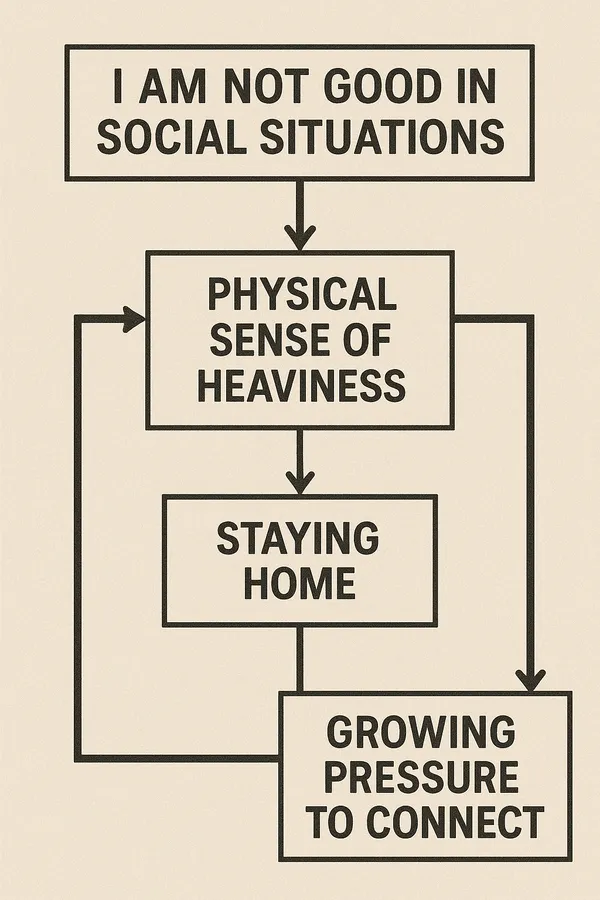
True freedom and agency come from recognizing and embracing our ability to control our actions and make choices freely. When we find ourselves trapped in unproductive cycles, we lose sight of this sense of control. Disconnected from our experiences, we struggle to make effective decisions.
Defining Valued Directions
Concept: Values are deeply held beliefs about what is important and meaningful in life. They guide behavior and provide motivation.
Clinical Application:
The clinician works to identify and clarify clients' values, helping them to articulate what truly matters to them, and using this understanding to guide goal-setting and decision-making by:
Already have an account ? Sign in